Welcome to EUROLAG11 in Iceland
18 – 21 of August 2026
EUROLAG11 will take place in Reykjavík, Iceland, 18 – 21 of August 2026, bringing together researchers, practitioners, and managers working on lagoons, estuaries, and coastal transitional waters. The conference will include three days of presentations, posters, and discussions, followed by an optional excursion.
Lagoons, estuaries and coastal transitional waters play an important, buffering role between terrestrial and marine ecosystems. Those complex, dynamic, and diverse waterbodies are usually under great anthropogenic pressure due to their productivity and location at the coastline at the same time they provide numerous goods and services.
EUROLAG is being held in Iceland for the first time, and we warmly invite contributions from across Europe and beyond. We are particularly interested in research exploring how warming trends and their associated impacts are shaping lagoons and coastal waters, including the growing occurrence of non‑native species.
We welcome studies examining how these changes influence ecological quality elements in lagoon and coastal ecosystems—what we have learned so far, the challenges we face, and the implications for the future. Contributions addressing monitoring, conservation, management, and integrated assessment of lagoons, estuaries, and other transitional waters are also highly encouraged.
Keynote speakers
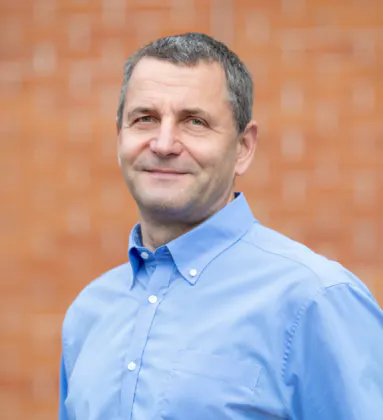
Henn Ojaveer
International Council for the Exploration of the Sea (ICES)
Human-induced Changes in Marine Coastal Ecosystems: Climate Change Impacts and Non-indigenous Species Invasions
Marine ecologist and internationally recognised expert in marine biodiversity, ecosystem change and biological invasions, with a particular focus on climate change and human pressures on coastal and marine ecosystems.
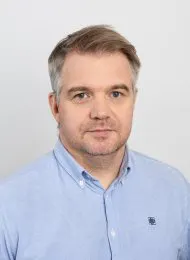
Jónas Páll Jónasson
Head of Demersal Division, Marine and Freshwater Research Institute
Coastal lagoons and transitional waters of Iceland
Research expertise includes Icelandic scallop, Nephrops and other commercially important invertebrates, as well as the life history of juvenile fish.
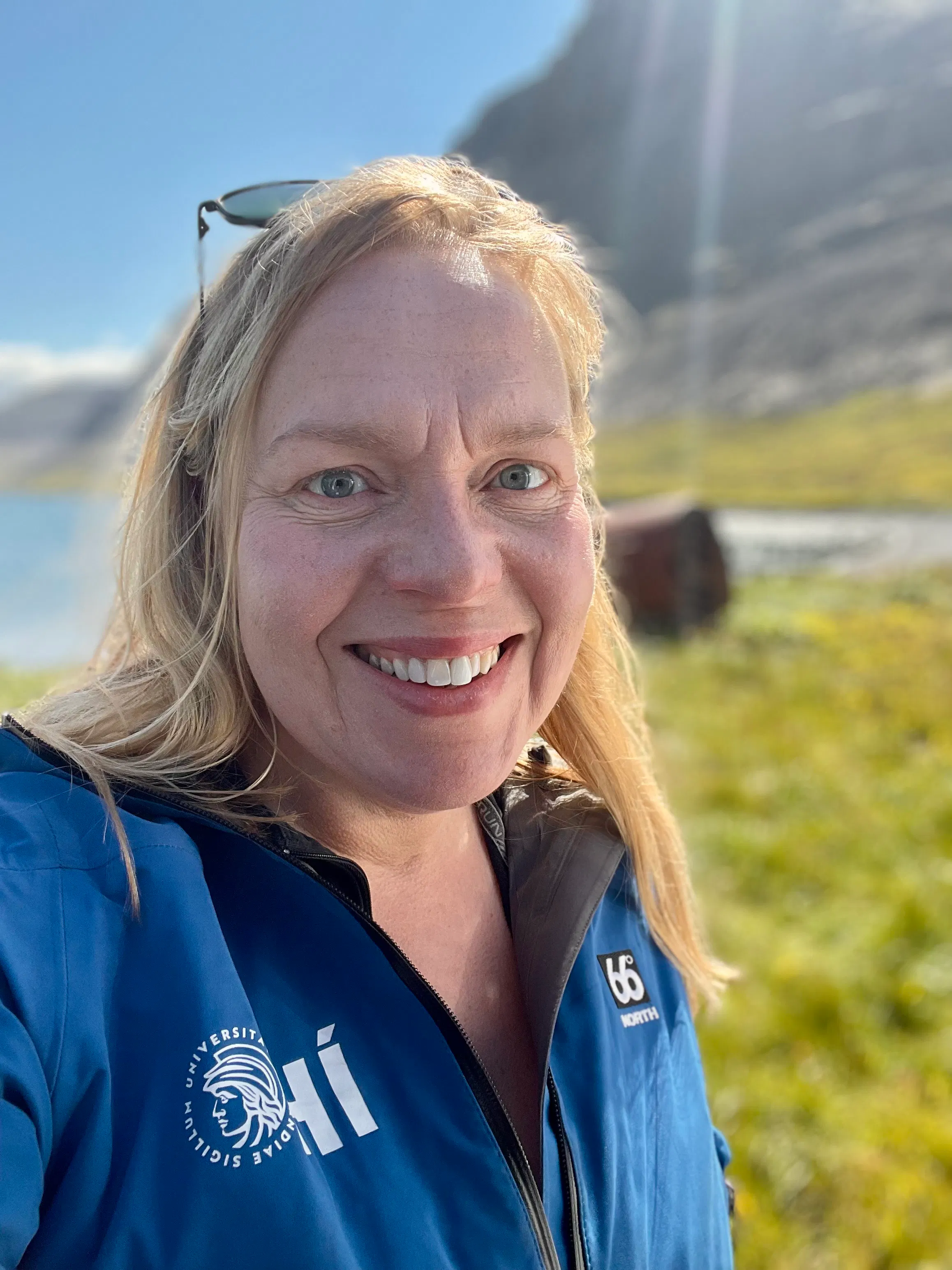
Guðbjörg Ásta Ólafsdóttir
University of Iceland Research Centre of the Westfjords
Nearshore Nursery Habitats and Their Role in Sustaining Fish Populations
Research expertise spans marine fish ecology and conservation, coastal nursery habitats, movement ecology, population resilience and marine management.
Programme
EUROLAG11 takes place in Hafnarfjörður, Iceland, from 18–21 August 2026. Select a day below to view the programme. Presentation abstracts and further information are available in the conference abstract book.
Tuesday, 18 August 2026
Wednesday, 19 August 2026
Take a dip in the local geothermal pool Suðurbæjarlaug and experience Iceland's unique swimming pool culture, recognised by UNESCO as Intangible Cultural Heritage.
Food & drinks served. A chance to unwind, meet fellow participants and enjoy the evening together.
Thursday, 20 August 2026
Friday, 21 August 2026 · Field Excursion
Registration
Registration for EUROLAG11 is open. Join us in Hafnarfjörður, Iceland, from 18–21 August 2026.
Accompanying guests
Spouses, partners and other accompanying guests who are not registered for the conference are welcome to join the field excursion and social event.
Field excursion: €60 · Social event: €40
*Young scientists are participants younger than 35 years of age (born in 1990 or later) and no more than three years after receiving their PhD.
Conference Venue
Marine and Freshwater Research Institute of Iceland
Fornubúðum 5, 220 Hafnarfjörður
Accommodation
We recommend staying either in central Hafnarfjörður, within walking distance of the conference venue, or in central Reykjavík with easy public transport connections to Hafnarfjörður.
Recommended accommodation
- Hotel Viking – central Hafnarfjörður
- Strand Hotel Apartments – central Hafnarfjörður
- Center Hotels Plaza – central Reykjavík
- KEX Hostel – central Reykjavík
- Reykjavík Natura – Reykjavík / BSÍ area
Transport
Bus Route 1 connects central Reykjavík, Kópavogur and Hafnarfjörður, with stops close to the conference venue.
KEF Airport is located 20 min from Hafnarfjörður and 40 min from Reykjavík city centre
Book Airport Transfer